
Op ed

Migratory birds don’t stop at borders. Policy shouldn’t either.
Guest Op-Ed by Dr. Musonda Mumba, Secretary General of the Convention on Wetlands to mark World Migratory Bird Day 2026

Opinion: Time to Take a Lead by Taking Lead Out of the Environment
While it will undoubtedly take some time to discover what lay behind the emergence and spread of the coronavirus and for our societies to recover from the effects of the disease and the economic, health and social repercussions of the shutdown, Jacques Trouvilliez says that there is one environmental challenge which could be solved at a stroke – the continued use of lead ammunition which is poisoning wildlife, habitats and people.
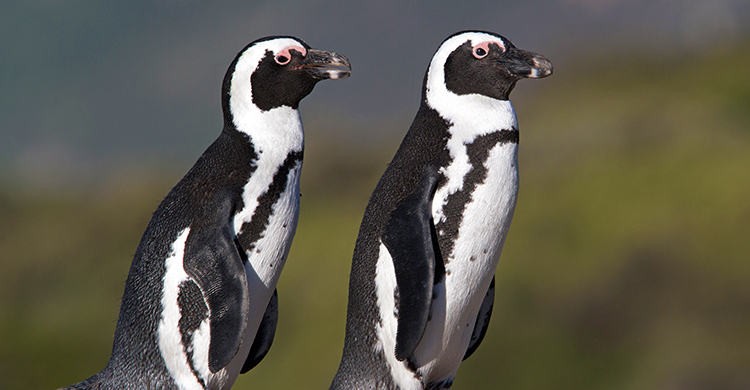
Opinion: AEWA - International Environmental Cooperation At Its Best
Internationalism seems to be falling out of vogue, but Jacques Trouvilliez, Executive Secretary of the Agreement on the Conservation of African-Eurasian Migratory Waterbirds (AEWA), holds his organization up as an example of how conservation objectives are being effectively achieved through cross-continental cooperation. The Agreement on the Conservation of African-Eurasian Migratory Waterbirds (AEWA) is a good, and certainly not the only example of international cooperation working well. It is a UN Treaty which operates on the basis of concerted actions. It has 78 members including the European Union with another 41 countries within its area eligible to join.
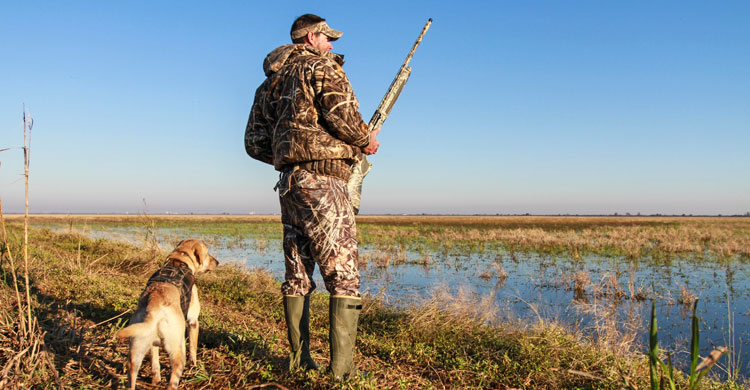
Opinion: Banning lead shot: Good for birds & people (World Migratory Bird Day is May 12-13)
World Migratory Bird Day this year breaks new ground with the campaign being a joint exercise between UN Environment's Agreement on the Conservation of African-Eurasian Migratory Waterbirds (AEWA) and the Convention on Migratory Species (CMS) on the one hand, and Environment for the Americas (EFTA) on the other. As well as unifying their voices in the cause of bird conservation, as part of the UN Environment's broader campaign to combat pollution, AEWA and CMS hope to learn from EFTA's experience of conservation work in the Americas.
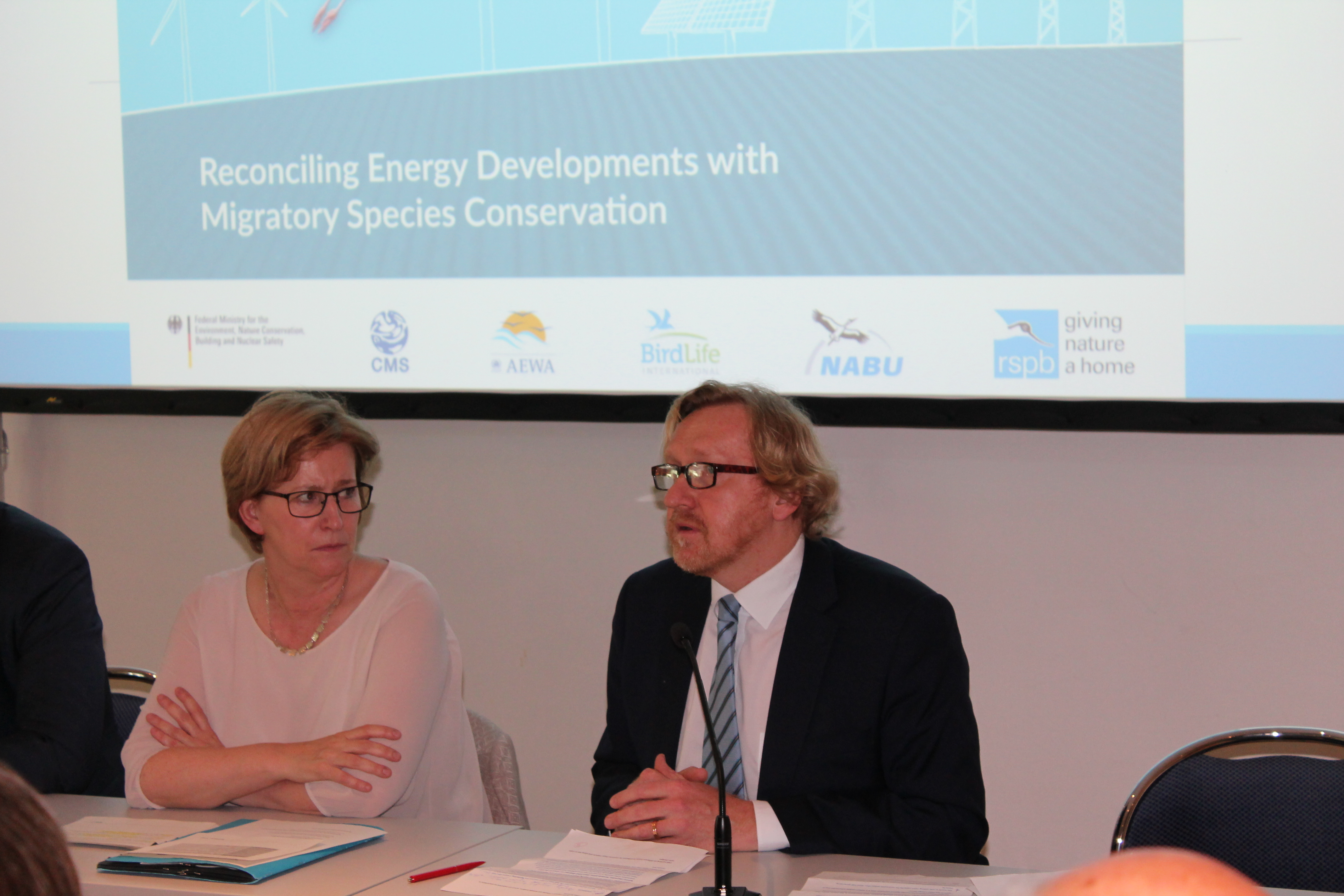
Opinion: Harmonize Renewables with Migratory Species Conservation
Excerpts from the keynote address of Dr. Bradnee Chambers at the side event on 17 May in the margins of the UN Climate Change Conference in Bonn.
Opinion: Travailler ensemble pour les oiseaux migrateurs et les hommes en Afrique et en Eurasie
Une des grandes leçons apprises dans le contexte de la conservation de la nature est qu’une mesure politique ne peut être vraiment efficace que si les pays coopèrent pour prendre en main les problèmes communs.
Opinion: Working Together for Migratory Birds and People Across Africa and Eurasia
One lesson that has been well and truly learned in nature conservation is that for policies to be really effective countries have to collaborate to address common problems.
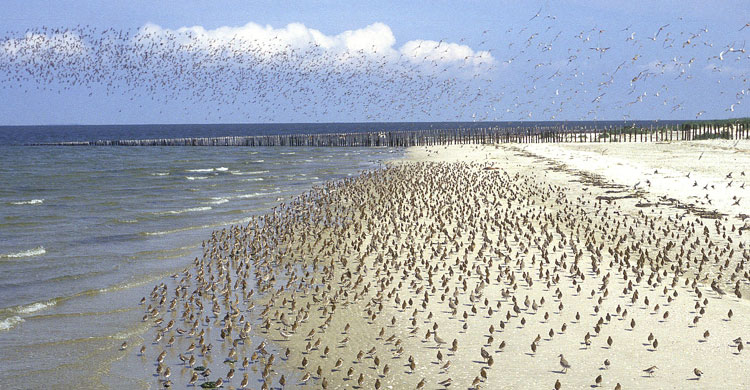
Opinion: Natural World Heritage Sites – Sharing the Future
The 39th Session of the World Heritage Committee is meeting in Bonn, a stone’s throw from the headquarters of the Convention on Migratory Species and several of its associated agreements. Jacques Trouvilliez, Executive Secretary of the Agreement on the Conservation of African-Eurasian Migratory Waterbirds (AEWA), and Rüdiger Strempel, Secretary of the Common Wadden Sea Secretariat, examine the importance of those sites inscribed in the list for their natural rather than cultural qualities.
Opinion: Natural World Heritage Sites – Sharing the Future
The 39th Session of the World Heritage Committee is meeting in Bonn, a stone’s throw from the headquarters of the Convention on Migratory Species and several of its associated agreements. Jacques Trouvilliez, Executive Secretary of the Agreement on the Conservation of African-Eurasian Migratory Waterbirds (AEWA), and Rüdiger Strempel, Secretary of the Common Wadden Sea Secretariat, examine the importance of those sites inscribed in the list for their natural rather than cultural qualities.
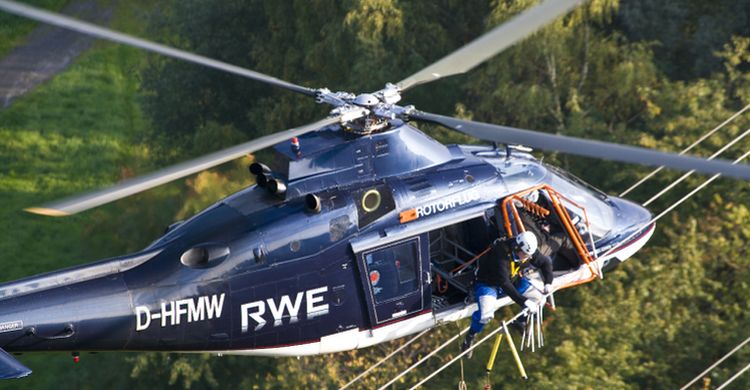
Opinion: Renewable Energy – How to Make It More Bird-Friendly
The slogan for this year’s World Migratory Bird Day (May 9) campaign is “Energy – make it bird-friendly”. Jacques Trouvilliez, Executive Secretary of the Agreement on the Conservation of African-Eurasian Migratory Waterbirds (AEWA) and Patricia Zurita, Chief Executive of BirdLife International, explain how important it is to ensure that major infrastructure and policy relating to low carbon and renewables are developed in harmony with nature.