Bonn,
29 March 2011 - Goose experts from some 20 countries
as well as representatives from several international
organizations gathered at Elista in the Republic of Kalmykia
located in south-western Russia from 25-30 March 2011
for the 13th meeting of the IUCN/ Wetlands International
Goose Specialist Group. The meeting was organized by
the Goose, Swan and Duck Study Group of Northern Eurasia
(RGG) and was facilitated by RRG Chair Evgeny Syrechkovskiy.
The overall theme for the meeting was titled “Waterfowl
of Northern Eurasia: Geography, Dynamics and Population
Management”. The ambitious programme started off
with presentations on goose flyways and geographical
distributions – mainly within the Russian Federation – complemented
by two presentations by Taej Mundkur from Wetlands International
on the Critical Site Network Tool (CSN)
and the CMS
Flyway Working Group. In the second session
focus turned to threatened goose species, with several
presentations
on the current status of the Lesser White-fronted Goose
(LWfG) and the Red-breasted Goose (RbG) in particular.
Hunting and the sustainable use of waterbirds also featured
as a key topic, with particular focus on the situation
in Russia. Several approaches to the problem were presented,
including a keynote presentation by Bradley Bortner from
the US Fish and Wildlife Service on the American experience
in waterfowl population and hunting management. Other
topics discussed included waterfowl in arid ecosystems,
fundamental research in waterfowl biology as well as
dynamics in goose populations and their environments.
Some of the sessions were followed by round-table discussions
covering issues such as the conservation of threatened
goose species, in which the AEWA Single Species Action
Plans and Species Working Groups were featured, waterfowl
management in Russia, the role of the Lower Volga region
in waterfowl conservation, the implementation of best
practices of waterfowl management in the Kuma-Manych
goose migration staging area as well as how land use
changes linked to the production of biofuels are affecting
geese.
At the end of the conference a resolution was adopted
by the group reflecting the numerous issues of concern
highlighted during the meeting, for example the need to
ban or at least restrict spring hunting. The resolutions
will be delivered to the Russian Ministry of Natural Resources
and the Ecology as recommendations for future activities.
The resolutions included a recommendation to the Ministry
of Natural Resources and the Environment that the Russian
Federation acceed to AEWA.
On the final day participants took part in an excursion
to the Manych-Gudilo lake and river system. The area
is a known stop-over site for geese and other waterbirds
during spring and autumn migrations.
The next meeting of the group will take place 17 - 22
April 2012 in Steinkjer, Norway.
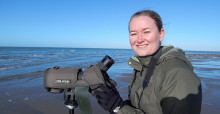
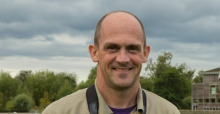
The UNEP/AEWA Secretariat was represented at the meeting
by Technical Officer, Mr. Sergey Dereliev and the Coordinator
for the Lesser White-fronted Goose, Ms. Nina Mikander.
For more information please see:
- Website
of the Goose Specialist Group
- Meeting
website: Waterfowl of Northern Eurasia: geography, dynamics
and population management